Let’s be honest — nobody books a cosmetic procedure like a brow tattoo thinking, “I hope this fades into a weird blue-grey mess.” But as any seasoned makeup artist will tell you, not every pigment behaves the same on every face. I’ve corrected brows that healed too cool on warm skin, brows that oxidised after sun exposure, and yes, those infamous ghostly grey brows that show up months later. So, what’s actually going on?
If you’ve heard whispers that powder brows “go grey,” you’re not alone. But it’s not a guaranteed fate. It comes down to pigment quality, skin type, aftercare, and time. In this post, I’ll walk you through what fading really looks like, how to prevent ashy brows, and when it might be time for a colour correction.
Why Do Powder Brows Fade Grey?

There’s a reason this happens — and it’s not because your artist did something “wrong.”
It comes down to undertones and oxidation
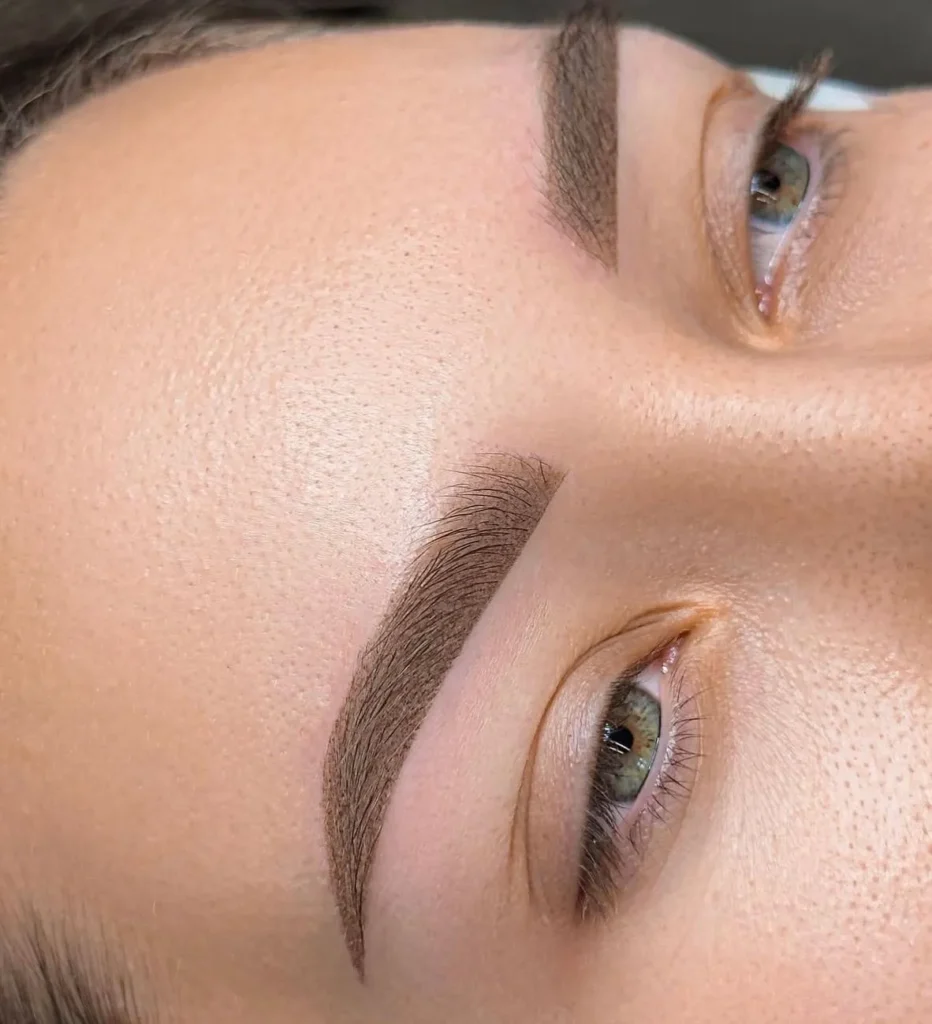
Powder brows tattoo use machine shading to deposit a wash of colour into the brow skin. The pigments used are made up of various colour bases (think: yellow, red, blue). Over time, the warmer upper colours (like yellow and red) tend to fade faster, leaving behind cooler tones like blue or grey.
- Cool skin tones are more prone to holding onto ashy residues.
- Oily skin types can push out pigment faster, which sometimes results in patchy or cool-toned healing.
- Excessive sun exposure can speed up pigment breakdown and shift the tone.
It’s not just about skin, though. Pigment formulations have come a long way. Earlier eyebrow tattoo pigments used iron oxide or metallic-based pigments, which were notorious for turning blue or grey as they aged. Modern high-quality pigment blends are more stable, but that doesn’t mean they’re foolproof.
Pigment shift over time
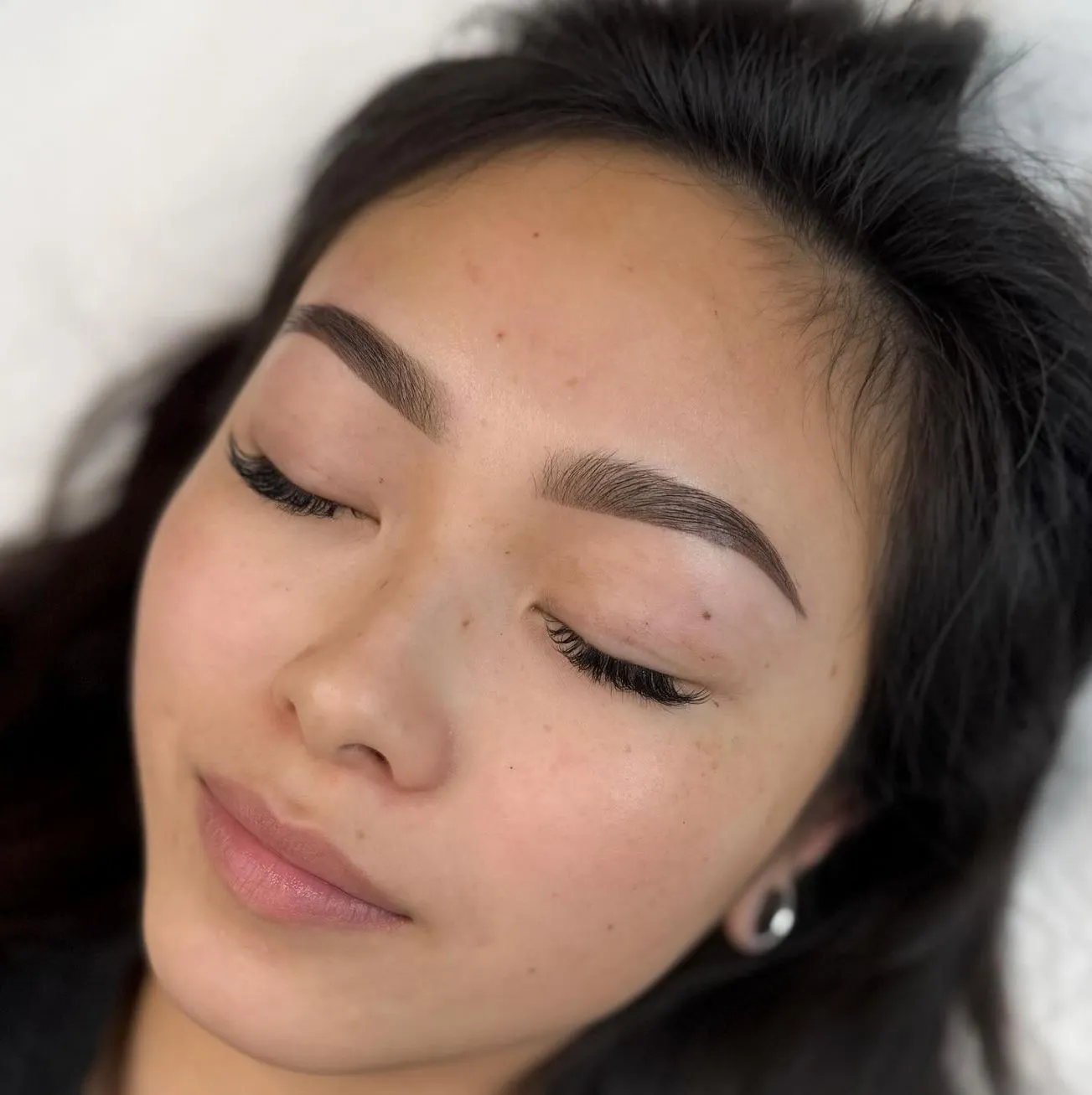
A 2025 trend analysis from the Australian Cosmetic Tattooing Association showed that 30% of clients with powder brows required a colour correction within 12–24 months, mostly due to fading to cooler tones. That’s not a botched job — that’s normal skin behaviour and the result of pigment loss and actual pigment loss over time.
Table: Factors That Influence Greying in Powder Brows
| Factor | Influence on Greying |
|---|---|
| Skin tone | Fair/cool skin is more likely to pull ash tones |
| Skin type | Oily skin may fade unevenly/cooler |
| Pigment formulation | Low-quality pigment can fade grey-blue |
| Sun exposure | Breaks down pigment; speeds colour shift |
| Aftercare adherence | Improper aftercare = faster breakdown & ashy healing |
How to Prevent Grey Brows
Just because it can happen doesn’t mean it will. Prevention starts with your artist — and continues with you.
What your artist should do
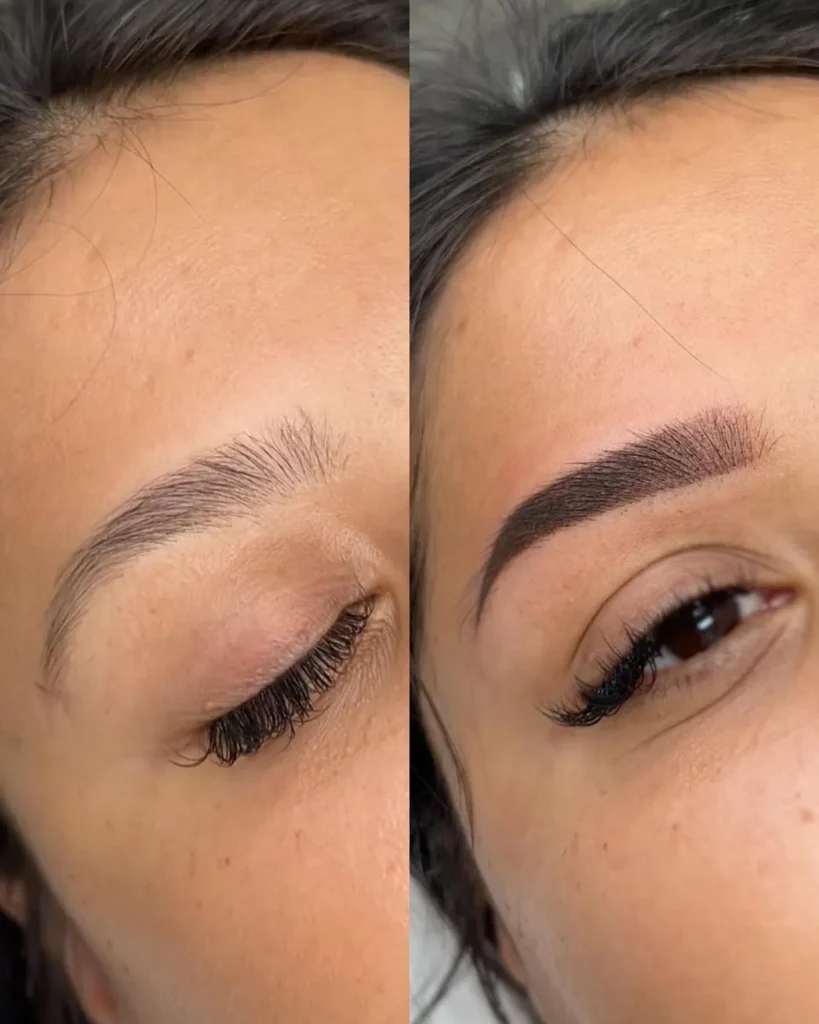
A good brow tech will:
- Assess your skin tone and undertone properly
- Choose pigments with a balanced or warm base
- Make adjustments in pigment choice for individual skin types
- Use proper technique and modern, stable pigment brands
- Consider factors like brow bone structure and movement by the brow musculature
At Cosmetic Tattoo Melbourne Studio Face Figurati, we patch test, colour map, and use premium organic and inorganic pigment blends designed to age well and stay true to tone. We also consider depth of pigment implantation and use digital machines, not manual pigment insertion tools.
What you need to do
- Avoid the truth to tonesun (especially during the healing period post-treatment)
- Follow aftercare instructions like your brows depend on it (because they do)
- Don’t over-exfoliate or use harsh acids like retinol on the area
- Apply a layer of aftercare cream as directed
- Avoid excessive sweating and friction on brows during healing
- Book a colour boost or follow-up appointment when fading begins, not when things go grey
When Grey Happens (and What We Do)
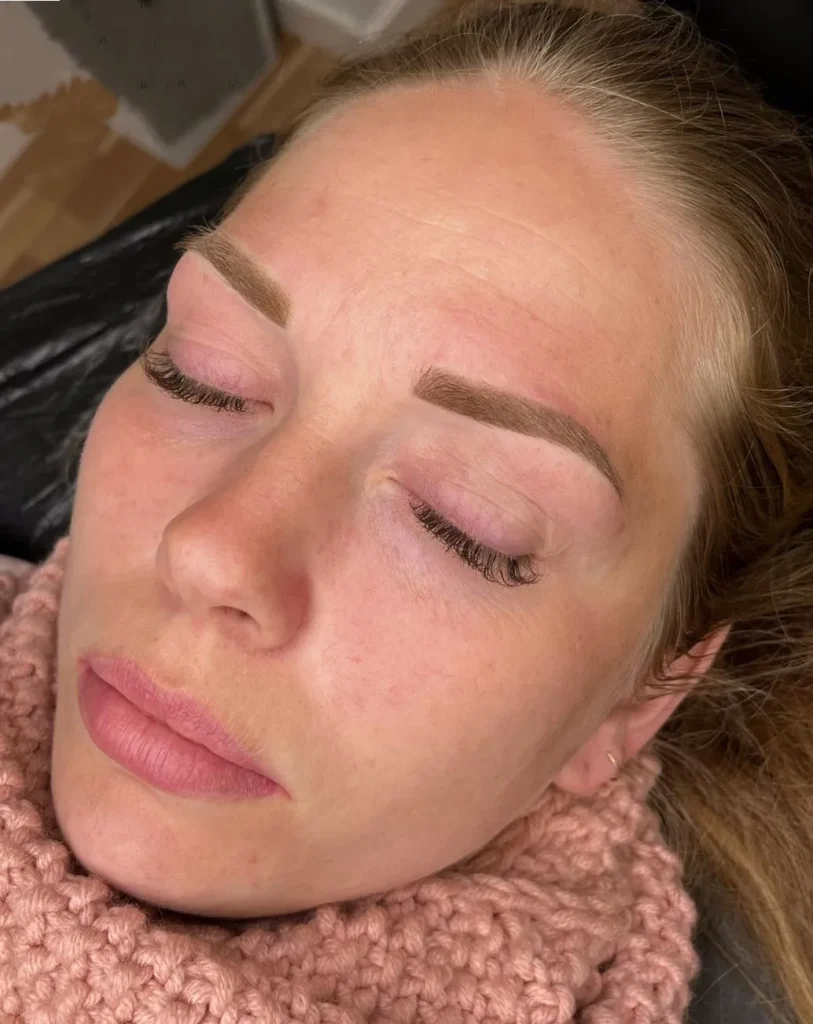
Let me give you a real example. One client came in with brows that had faded to a steel blue tint. Her original tattoo was done overseas using low-quality, cheap pigment brands. Her skin was fair, cool-toned, and she was a beach lover — the trifecta for greying and premature fading.
We corrected it in two sessions:
- First, with a warm-orange corrector to neutralise the blue and initiate neutralisation with powder brow techniques
- Then re-shaded using a golden-brown tone with high lightfastness and natural pigments
Six months on, she’s still rocking soft, warm brows that complement her face.
Does Skin Type Affect Fading?
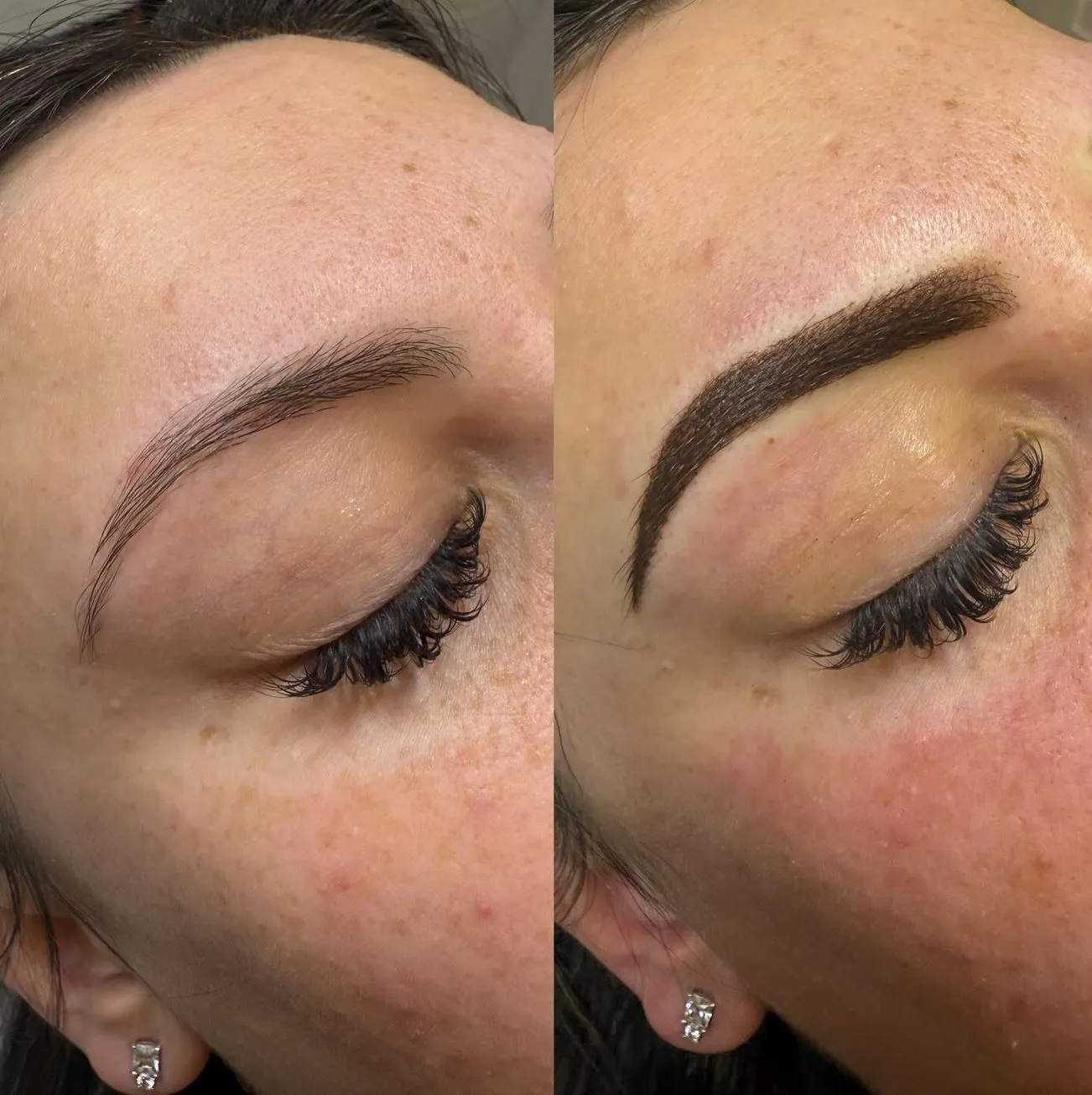
Yes. Skin type plays a massive role in how pigment heals and holds.
- Oily skin: Can blur or fade pigment faster, and may lean cool
- Dry skin: Tends to hold pigment longer and appear more crisp
- Mature skin: May need softer ombre brow treatments
- Sensitive skin: Prone to redness and can alter the final tone
- Darker skin types: Require careful application technique and colour choice
If you’re unsure how your skin will respond, that’s why we always recommend a consultation and patch testing. Healing ability, cell turnover, and medical conditions also influence colour over time and pigment retention.
Which Powder Brows Turn Grey?
Don’t panic. You’ve got options.
Colour correction is your friend
We use colour theory to neutralise undesirable colour and grey colour shifts:
- Ashy brows or grey brows? A warm corrector like orange or peach can balance it
- Blue undertones? A more intense warm-up corrector may be needed
- Patchy or faded? A combination of correction and fresh shading using ombre powder brows results
This often takes 1–2 sessions, depending on pigment saturation and previous application technique.
Can you remove it?
Yes. You can opt for saline or advanced laser treatments if the pigment is too dense or implanted too deeply. But for many cases, correction alone works well. Aggressive laser removal is a last resort.
2025 Brow Trends: What Clients Want
We’re seeing a shift away from harsh, overly defined brows. Clients now prefer:
- Soft ombre brows with warm-neutral tones
- Combination brows or combo brows that mimic natural brow hairs
- Tinted brow lamination or brow tint options as temporary enhancements
- Natural-looking brows with a fluffy brow finish using a filled-in brow style
Clients are also more educated on aftercare procedures, lifestyle factors, and how makeup changes colours due to external factors.
When to Book a Touch-Up or Boost?
Here’s a rough guide to maintain long-lasting results:
- 6–8 weeks after initial procedure: Perfecting touch-up session
- 6–12 month point: Monitor fade of colour
- 12–18 months: Book a maintenance brow boost before drastic colour changes
- 18–24 months: Common window for correction session or full refresh
Avoid waiting until you’ve got noticeable colour issues or grey after microblading or tattooing.
Final Word
Grey brows aren’t a death sentence — they’re a sign it’s time to refresh, not panic. A qualified microblading artist or tattooist will understand depth, colour theory, applications of pigment, and how to work with dots of pigment in the healing phase.
FAQ
Do powder brows always turn grey?
No. If done with proper technique and aftercare, many clients maintain a natural brow finish without grey tones.
Can I fix grey powder brows?
Yes. Through neutralisation, correction sessions, and possibly advanced removal techniques, grey tones can be managed.
How do I know if I need a colour correction or just a top-up?
If the brow shape is intact but the tone is off, a correction may be needed. Faded but warm tones can usually be refreshed.
Are certain pigments more likely to fade grey?
Yes. Low-quality pigment or black pigment without proper dilution and layering can lead to grey results.
What’s in a good aftercare routine?
Key aftercare practices include avoiding the sun, using a recommended aftercare product, avoiding makeup or brow gel during healing, and following a detailed aftercare plan. Improper aftercare can lead to pigment loss or infection symptoms.