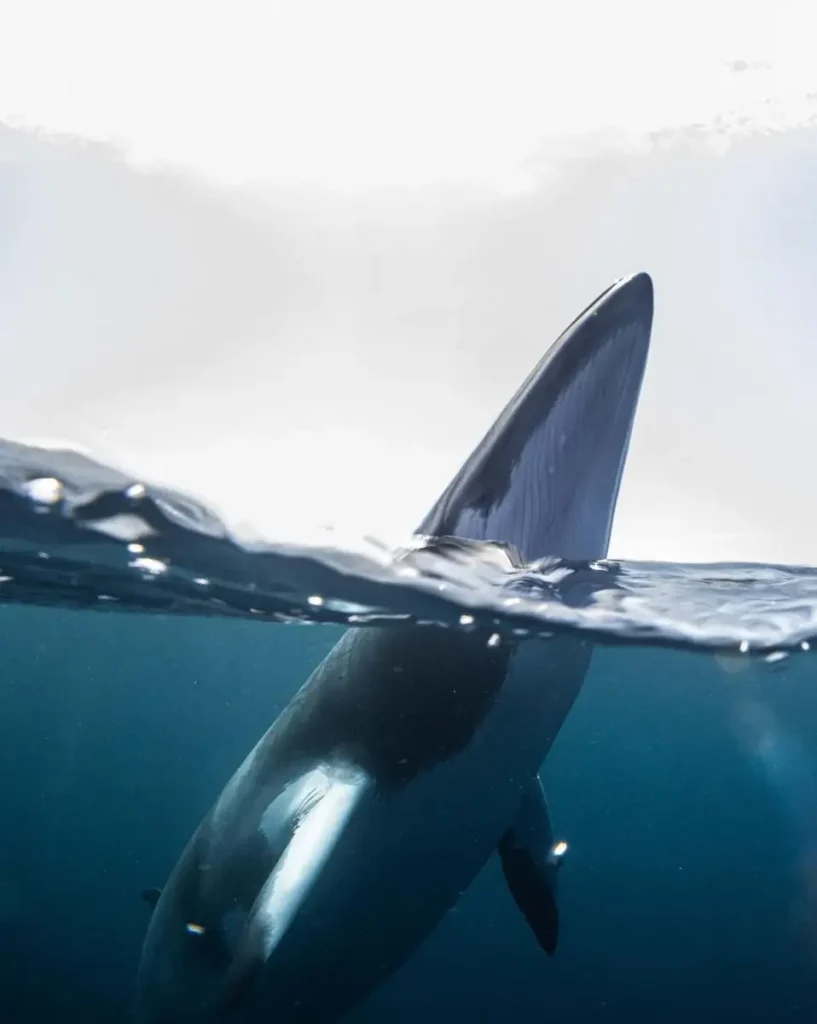
Swimming with Dwarf Minke Whales in June & July 2026 – a fleeting experience on the northern Great Barrier Reef that needs to be ruthlessly planned in advance. If you want to properly experience this unique thrill, you’ll need to get organised well in advance & have a good understanding of what’s involved. This’s no year-round activity – it’s an 8-week winter run that is strictly governed by marine permits & only takes place offshore.
I’ve stood on the open decks of boats north of Port Douglas at the crack of dawn, waiting for the first glimpse of calm waters. The silence is nearly surreal – no revving engines, no chaos – just a small crew scanning the edges of the Coral Sea near the Ribbon Reefs. When you catch a glimpse of them, it’s one of the most humbling wildlife experiences in Australia.
If you’re planning a trip in 2026, get this one locked in as a definite winter spot – you can rule out summer altogether.
Why Winter Offshore Conditions Matter
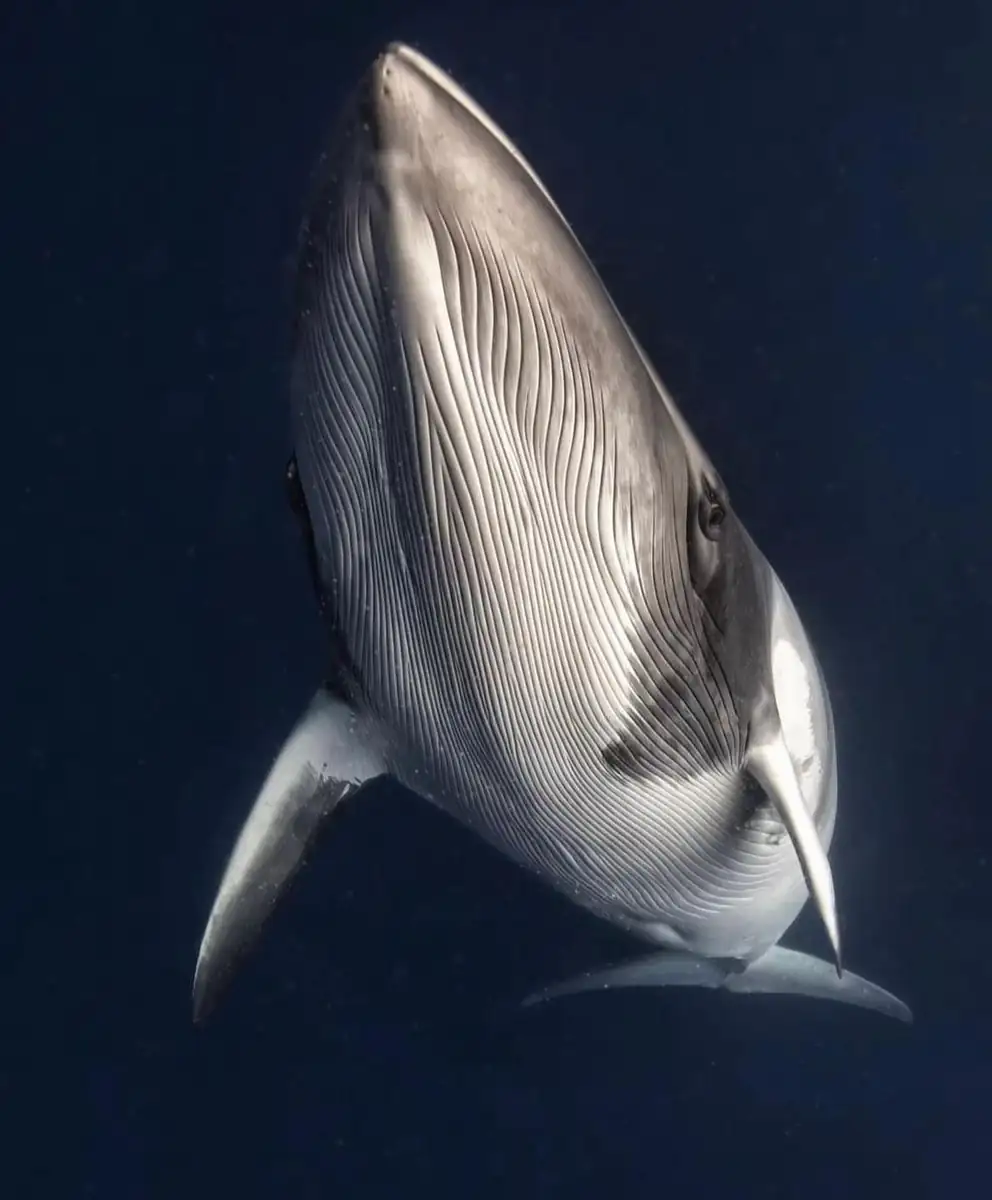
The dry season’s kicking in around Far North Queensland in June & July, which means humidity’s lower, rainfall’s rare & the risk of cyclones is a whole lot less than you’d see in the wet season from November to April. Sea conditions tend to even out, & on a good day out on the reef you can see all the way to 20 meters.
Water temperatures are around 22 – 24 degrees Celsius – cool certainly, but more than manageable with a 3mm wetsuit.
It matters because this is the time of year that dwarf minke whales pass through the Ribbon Reefs on their migration route. Outside of winter, they’re gone. Unlike humpback whales you see in spots like Hervey Bay or Jervis Bay during other whale-watching seasons, this migration corridor is very narrow & very specific.
For context:
| Element | June 2026 | July 2026 |
|---|---|---|
| Season | Dry season | Dry season |
| Avg Water Temp | 22–23°C | 22–24°C |
| Rainfall | Low | Low |
| Offshore Access | Reliable | Reliable |
| Whale Activity | Peak | Peak |
That sense of stability has given licensed dive boats far more confidence to head north towards Lizard Island and Cod Hole.
The Real Deal – The Remote Northern Reefs
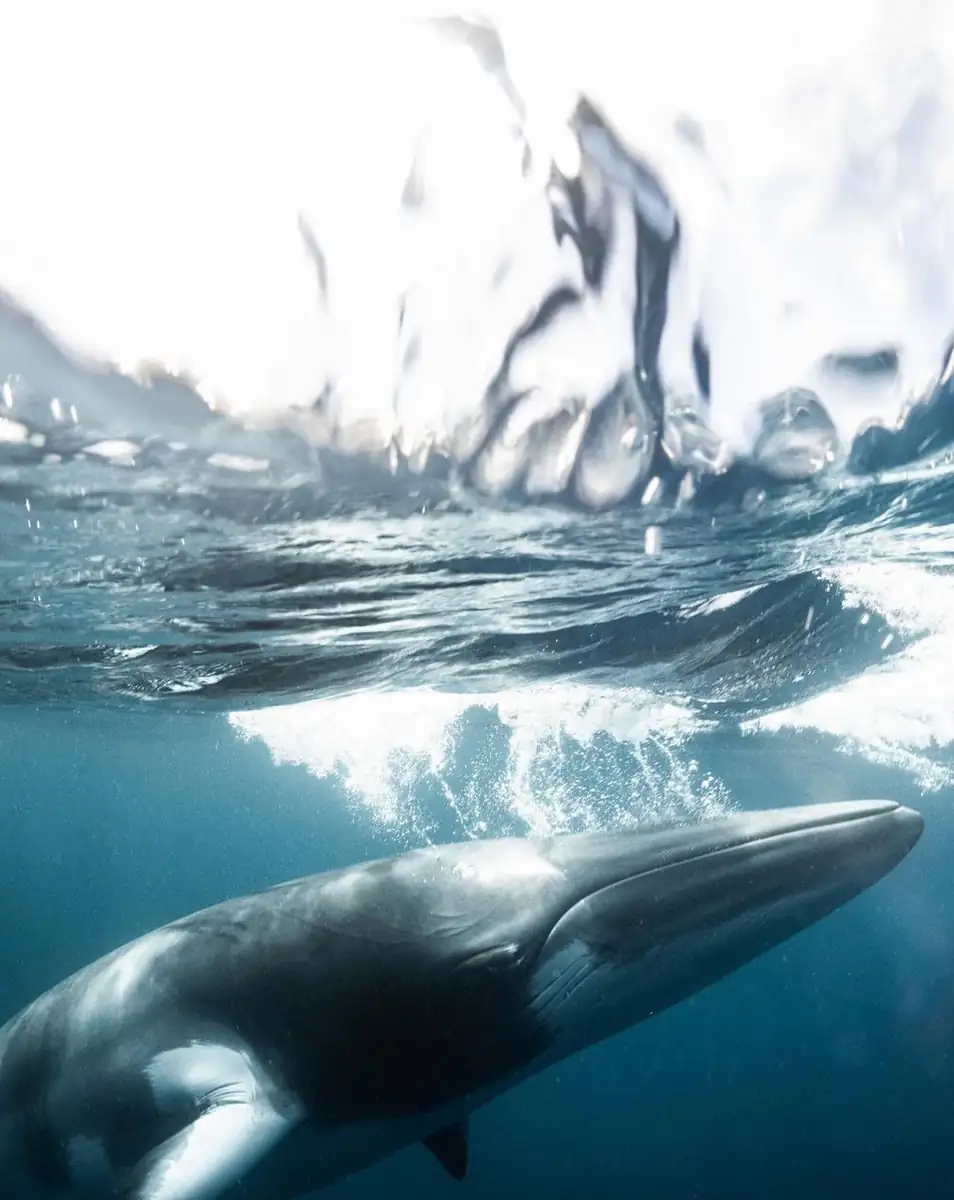
Most of the action happens along the Ribbon Reefs – a bunch of narrow reef systems running north of Cairns and on up to Lizard Island. These are way out beyond the mainland day tripper spots, on the edge of the Coral Sea.
Tours usually leave from Port Douglas or Cairns. Some of the operators listed on Great Barrier Reef Tours specialise in these outer reef trips during the winter months.
You’ll often pop by Cod Hole – famous for the large potato cod and reef sharks – between whale viewing sessions. The reef drops off right into deep blue water out there, which no doubt explains why dwarf minke whales come to the area so regularly.
By the way, you’re not anywhere near Fitzroy Island, and you’re not off the Gold Coast – you’re way offshore on vessels built for the job, with proper dive decks and a crew of properly trained marine folk.
How Whale Interactions Work Offshore
To set the record straight, let’s clear up a few things.
This is not the same as watching humpback whales in Hervey Bay – or swimming with whale sharks at Ningaloo Reef in Western Australia. Different species, different coast, different rules – even if it sounds similar.
So how does it actually work?
- Spotter identifies whales from up on the upper deck.
- The engines stop running & the vessel starts drifting.
- They toss out a rope line from the dive deck.
- Small groups go in the water with snorkel gear.
- The swimmers just quietly hold their positions.
- The whales come to them – on their own terms.
No scuba diving during the whale sessions – just quiet swimming. No chasing or diving after the whales either.
These operators – like Spirit of Freedom and Ocean Quest – have got this system down to a fine art, having been doing it for years. They always follow strict safety procedures, no matter what.
The whales are the ones in control here – that’s the whole point of the exercise.
How This Differs From Other Whale Encounters
Lots of people ask me if this is like:
- Whale watching tours from Sydney Harbour
- Bremer Canyon orca trips in Western Australia
- Whale shark swims at Ningaloo Reef
- Humpback encounters near Hervey Bay
Short answer – nope.
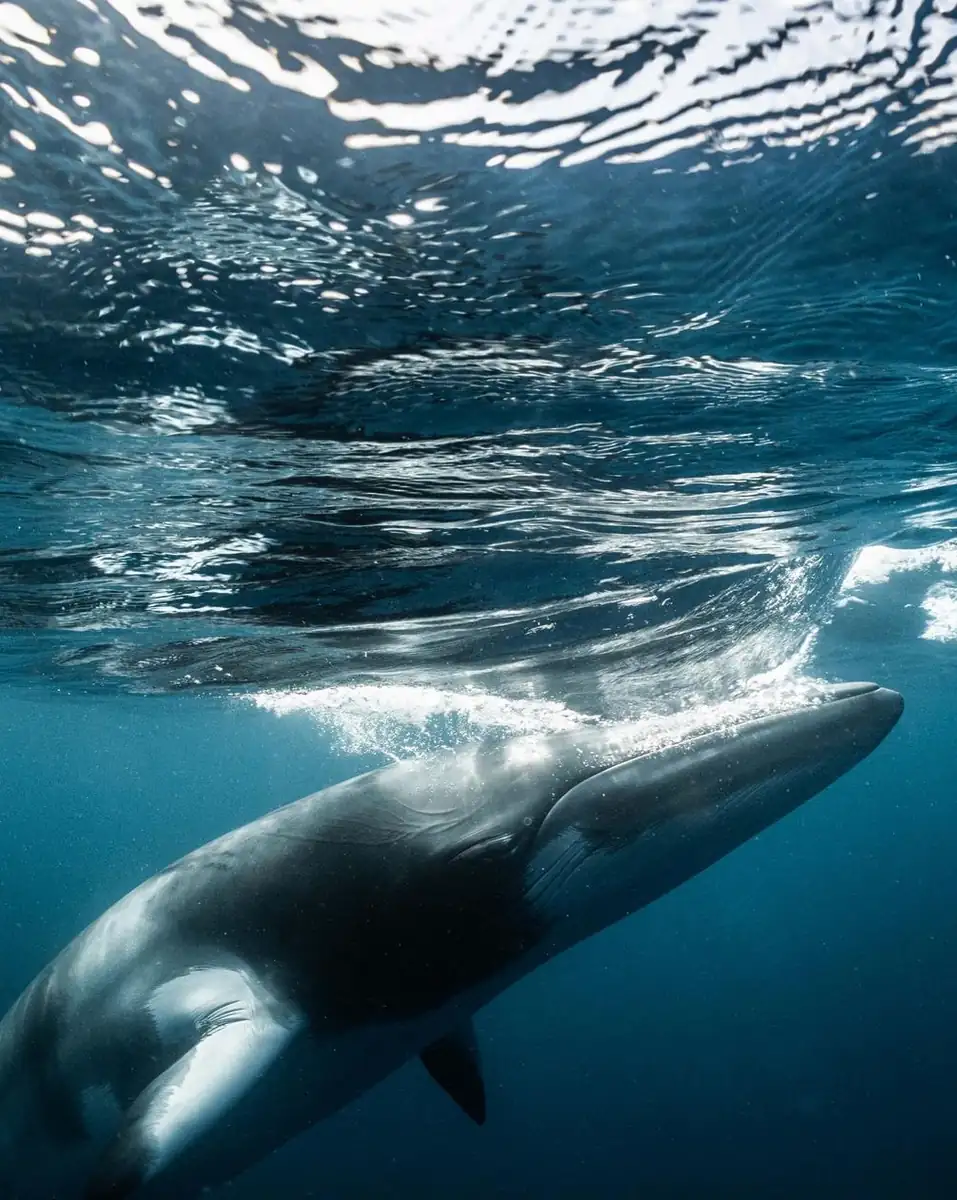
A Humpback Whale can get up to 15-16 metres long, but dwarf minke whales are only about 7-8 metres on average. They’re smaller, faster, and just generally more curious.
This particular winter migration corridor on the northern Great Barrier Reef is pretty unique – the only place in the world where you can pretty much count on running into minke whales in the water.
Don’t expect to spot a Blue Whale here, and don’t expect to go game fishing between sessions. This is a proper, structured marine wildlife program.
What You Can Expect Off the Coast
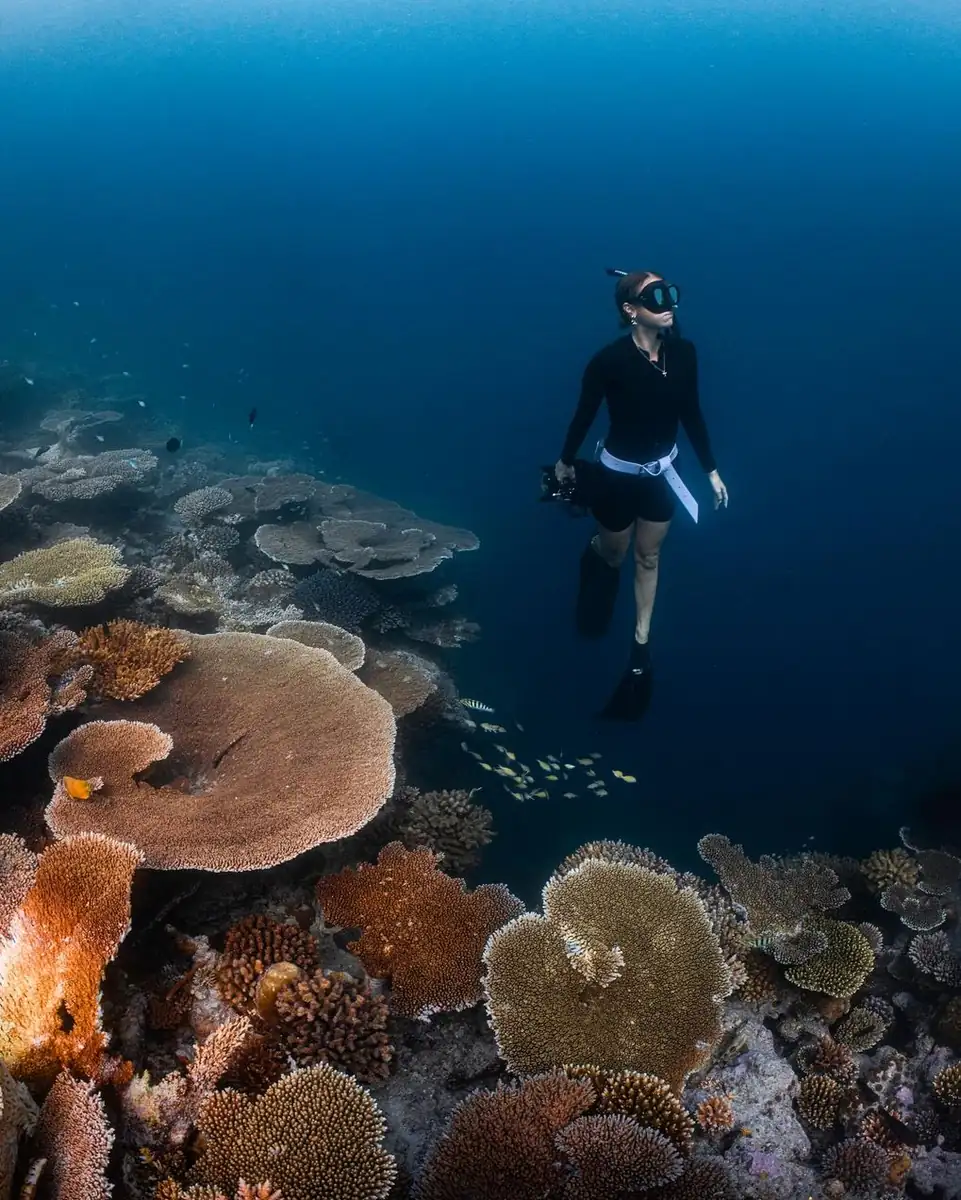
Winter reef trips usually include a bit more time at other reefs, too. There are plenty of other experiences you can have between whale sessions, including:
- Snorkelling over coral gardens – it’s like a whole different world in there
- Coming face to face with reef sharks at Cod Hole – be ready to hold your nerve
- Spotting large pelagic fish near the reef drop-offs – it’s like a horizontal ocean highway
- Catching sight of Bottlenose Dolphin pods out in the distance – these guys are totally free
While the fish are the stars of the show on The Great Barrier Reef, you can’t forget about the importance of the reef’s flora. It’s all about the delicate balance of soft corals, macroalgae and seagrass systems that support an incredible amount of marine life.
It’s a common thing to overlook the reef’s flora in favour of all the great large marine animals – but the truth is, it’s what holds the whole ecosystem together. Coral structures, sponge systems, and all the hard and soft plants on the reef keep the water clear and the fish populations strong in the north.
Even though coral spawning happens a bit earlier in the warmer months, the winter conditions can actually work in your favour by clearing the water up so you can see the reef’s underwater structure in a way you just can’t at other times of the year
Getting On Board For 2026
The number of people who can join the liveaboard trips is strictly limited – most of the vessels out there are only allowed to carry 16-30 passengers at a time.
You can expect:
- A 3-4 night trip that will leave you feeling totally refreshed
- Prices from $2,000-$3,500 AUD per person (depending on the trip)
- All meals, snorkelling gear and safety briefing – you don’t need to worry about a thing
- Peak school holidays are the first to sell out, so if you are planning on coming in winter, get in early – it’s not something you can afford to leave till the last minute
There are also some people who enquire about chartering luxury yachts or doing their own private trips, but be aware that the whale interaction permits are pretty strict and only a handful of vessels actually qualify
If you look at websites like Great Barrier Reef Tours, you might see some seasonal availability listed – but make sure to check directly with the operator and confirm the permits are in place for your chosen trip.
This really isn’t something you want to leave until the last minute
Who This Will Suit – And Who Should Think Twice
If you:
- Are a confident swimmer who can handle snorkelling in the open ocean (don’t worry, the guides will be there to look after you)
- Are comfortable with a bit of a swell – nothing too heavy
- Are happy to follow a structured safety system on the boat
- Can keep a level head when the unpredictable wildlife comes out to play
Then this is probably the trip for you.
However, there are some things that might make you think twice:
- If you are one of the unlucky ones who gets seasick, this is definitely a trip to avoid
- If you are one of those people who expect to see whales on tap, think again
- If you get nervous in deeper water, this might not be the trip for you
The Coral Sea can do everything from flat calm to very rough and choppy – even in the dry season, the weather can change in a heartbeat.
A Typical 4-Day Offshore Structure
| Day | Overview |
|---|---|
| Day 1 | Depart Port Douglas or Cairns, overnight steam to Ribbon Reefs |
| Day 2 | Morning whale search, snorkel sessions, and Cod Hole dive |
| Day 3 | Continued whale interactions, reef exploration |
| Day 4 | Final morning session, return transit |
Early starts quietly get underway with a briefing – no blasting up the decks music.
After you get back onto shore, enjoy some of that great Aussie wine – not on Whale Day though.
Cultural Respect & Reef TLC
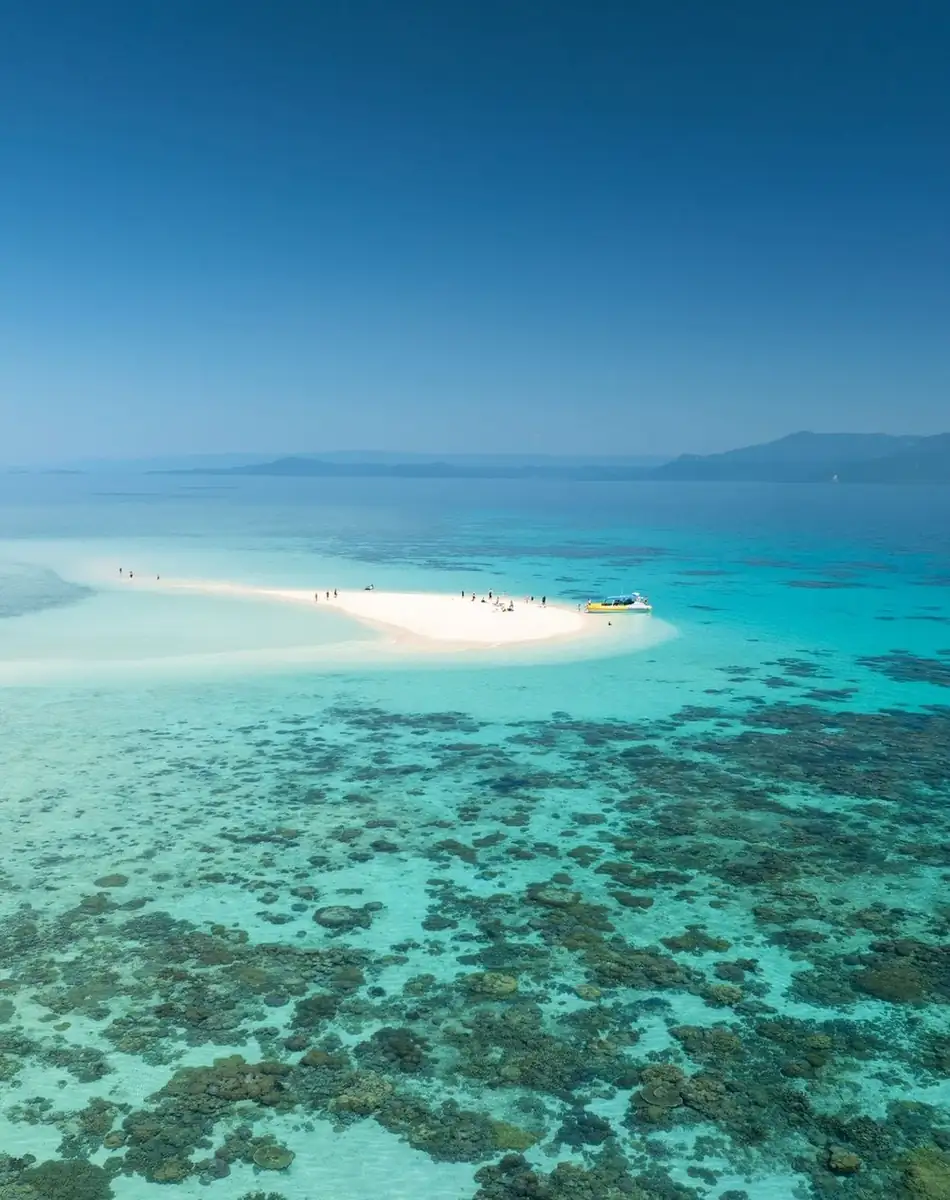
The waters we’re sailing in are part of Sea Country, which belongs to the Traditional Owners of the Queensland coast. We like to think our crew show the right respect for that by sticking to the rules of the Great Barrier Reef Marine Park Authority.
The coral and the plants on the reef are all pretty fragile, so we have to be super careful. No touching the coral, no litter & no messing with the marine life.
You’re a guest here
Packing-wise – Winter At The Reef
Keep things simple:
- A 3mm wetsuit ( make sure it’s the right size beforehand)
- Reef-safe sunscreen – we don’t want any nasties messing with the marine life
- Some polarised shades to keep the glare down
- Light jumper to keep the chill off when it’s getting dark
- Whether you get the dreaded sea sickness or not, get the medication just in case
- Waterproof bag for your gear in case of an emergency
Even if it’s winter, it’s still a scorcher down at the reef – so be prepared for the sun
Do It Right, Plan Early
There is a specific time of year when you can go on these offshore trips to the Ribbon Reefs to see the marine life, and we like to think that’s got something to do with the fact that it’s winter and the dry season makes for smooth sailing. However its also got to do with how few places get the permits to go there – we call this ‘limited window‘ time.
Choose a good operator – someone who knows the ropes and who has got all the safety gear – don’t take any chances
If you’re lucky enough to see a dwarf minke whale swimming past you in the clear winter water on the reef, you’ll know why this is one experience you really want to go through with
If you need some help structuring your trip – whether you want to know about the right boat to take or how to plan for the right amount of time, just give us a shout – we’d rather you plan this one right from the start than be scrambling up the marina at the last minute.
FAQ
Are Whale sightings guaranteed during winter 2026?
No, they aren’t – even though June and July are peak months, you just can’t predict the wildlife
Can I go scuba diving with the whales?
No, you can’t – the whale sessions are all snorkel – we do have scuba dive activities elsewhere on the reef though
How is this different to humpback whale watching?
It’s different – humpback whale watching usually happens on the other side of the country in places like Hervey Bay or Jervis Bay, & it’s usually done from a boat.
Is the water too cold?
Not really – it’s a nice 22-24 degrees – a wetsuit will keep you pretty warm though
How far ahead do I need to book?
If you want to go in June or July next year, you really should be booking now – nine to twelve months in advance book-up especially if it’s school holidays.